Skin in the Game: Norfolk Entrepreneurs Get Honest About What It Really Took to Build Something Local
There's a version of the entrepreneur story that gets told at chamber of commerce breakfasts — the one where someone had a great idea, believed in themselves, and now they're thriving. That version isn't wrong, exactly. But it leaves out a lot of Tuesday nights.
We talked to several Norfolk business owners who've been through the full arc: the leap, the freefall, and the landing. They didn't sugarcoat it. And honestly? That's what makes their stories worth reading.
The Money Conversation Nobody Wants to Have
Ask any entrepreneur what surprised them most about starting a business, and nine times out of ten, they'll say the money. Not just how much they needed — but how fast it moved.
One Norfolk boutique owner who launched her shop in the Ghent neighborhood a few years back said she thought she'd budgeted conservatively. She hadn't. "I had six months of runway and I burned through it in four," she said. "Nobody tells you that the first few months, you're basically paying to learn things you didn't know you didn't know."
She ended up taking a part-time job to keep the lights on — something she'd told herself she'd never do. Looking back, she calls it one of the best decisions she made. It kept her from making panicked choices with the business just to generate short-term cash.
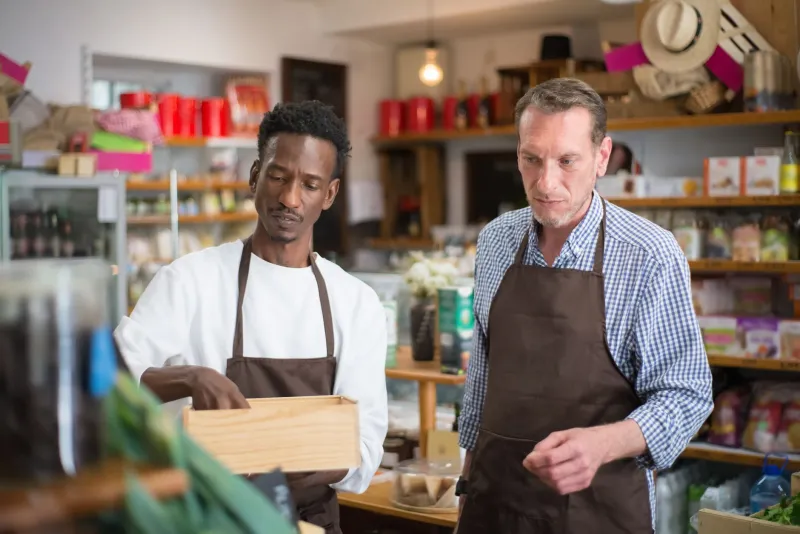
Startup capital in Norfolk tends to come from a mix of personal savings, small business loans, and — more than people like to admit — family. One local food entrepreneur who now runs a popular specialty grocery concept said his initial funding was "a spreadsheet, a prayer, and my mother-in-law."
He's laughing when he says it. But he's also serious. The SBA loan he eventually secured came months after he'd already opened, which meant the early days were held together by relationships, not capital.
What You Give Up Before You Give Up
The financial cost of launching a business is measurable. The personal cost is harder to quantify.
Several of the entrepreneurs we spoke with mentioned the same thing: the moment they realized their business had started making decisions for them. Vacations canceled. Weekends gone. Friendships quietly drifting because you're never fully present even when you show up.
"My wife and I joke that we had our first real vacation three years after I opened," said one Norfolk contractor who branched out from working for someone else to running his own home services company. "And even then I had my phone in my hand the whole time. It took a while to actually let go."
He's built a solid team now and the business runs without him needing to be on every job. But he's clear-eyed about the cost of getting there. "I don't regret it. But I also don't pretend it was easy on my family."
For single founders without a partner or support system nearby, the isolation can hit differently. One woman who launched a Norfolk-based wellness studio described the first year as "the loneliest I've ever felt while technically being around people all day." The emotional weight of carrying the whole thing — every decision, every setback — with no one to share it with professionally was something she wasn't prepared for.
Her advice: find your people early. Whether that's a mentor, a peer group of other small business owners, or just one person who gets it — don't try to go it alone.
The Community Factor
Here's something Norfolk has going for it that doesn't always show up in the business plan: people actually root for local.
Multiple founders mentioned moments when the community showed up in ways they didn't expect. A social media post that went local-viral. A loyal customer who told five friends. A neighboring business owner who passed along a referral just because they believed in what was being built.
"Norfolk is big enough that there's real foot traffic and a real customer base," said the boutique owner from earlier. "But it's small enough that word travels. When people like what you're doing, they tell people. And when you mess up, they tell people that too — but mostly they give you a chance to fix it."
That sense of accountability, she says, actually made her better at running her business. Knowing that her reputation was tied directly to her neighbors kept her standards high in a way that might have been easier to let slide in a bigger, more anonymous market.
The food entrepreneur echoed that. He described a stretch early on when foot traffic was slow and he was genuinely considering whether to keep going. A write-up in a local publication — not a major outlet, just a community blog — brought in a wave of new customers. "That was the week I stopped thinking about quitting," he said.
The Moment It Flipped
Every founder we spoke with could name a specific moment when the fear shifted — not disappeared, but changed shape. When surviving stopped feeling like the goal and building started feeling possible again.
For some it was a financial milestone: the first month in the black, the first year they didn't need a personal loan to cover payroll. For others it was more symbolic — a customer who came back for the fifth time, or an employee who turned down a higher-paying job somewhere else because they wanted to stay.
The home services contractor said his moment came when a client referred him to their neighbor without him ever asking. "That's when I knew the work was speaking for itself," he said. "You can't fake that."
The wellness studio owner's flip came when she stopped dreading Monday mornings. "I used to wake up on Sundays with this knot in my stomach. And then one day I didn't. I actually wanted to go in. That was new."
What They'd Tell Someone Starting Today
We asked each person the same closing question: what do you wish someone had told you before you started?
The answers varied, but a few themes kept coming up.
Give yourself more runway than you think you need. Whatever your budget is, pad it. Then pad it again.
Don't confuse passion with a business model. Loving what you do matters. But loving what you do won't pay your lease. Know your numbers before you open the door.
Norfolk rewards authenticity. Trying to be something you're not, or chasing trends that don't fit your actual identity, tends to backfire here. The businesses that stick are the ones that feel genuinely rooted in who the owner actually is.
Ask for help sooner. Every single founder said some version of this. The pride that keeps you from reaching out when you're struggling costs more than the help would have.
Norfolk has always had an entrepreneurial thread running through it — people willing to bet on themselves and on this city. The ones who make it aren't necessarily the ones with the best ideas or the most money. They're the ones who stayed honest about what it cost and kept going anyway.
That's not a fairy tale. But it's a pretty good story.