Homegrown and Holding Their Own: How Norfolk's Independent Businesses Are Outplaying the Big Guys
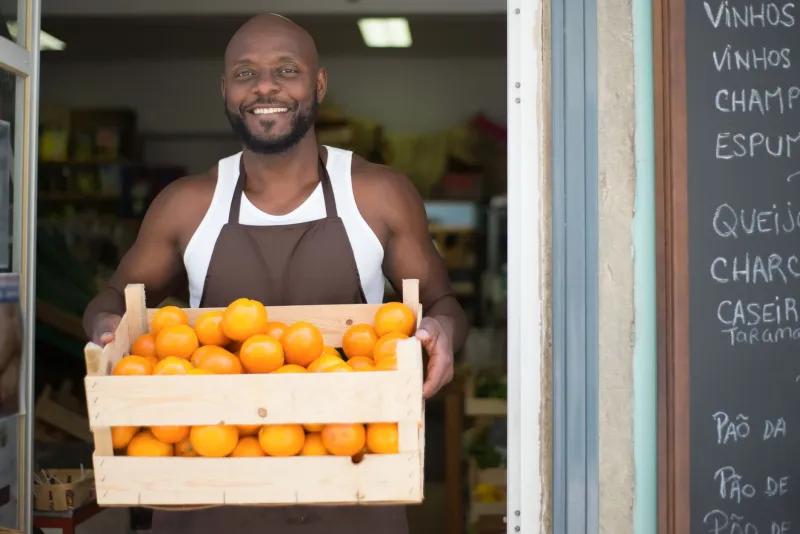
Walk down Granby Street on a Saturday morning and you'll notice something that a lot of cities would envy: independent storefronts that are actually busy. Not just open — busy. Customers lingering, owners chatting them up by name, handwritten signs in windows that reflect a genuine personality. Meanwhile, a few blocks over, a national chain location sits quieter than you'd expect.
It's not a fluke. Across Norfolk, locally owned businesses have been quietly building competitive advantages that the big-box players simply can't replicate. And if you're a Norfolk resident who hasn't fully thought through where your dollars are landing, this one's worth a read.
The Numbers Behind the Neighborhood
Here's a stat that tends to surprise people: for every $100 spent at a locally owned business, roughly $68 stays in the local economy. Spend that same $100 at a national chain? You're looking at closer to $43 circulating locally, according to data from the American Independent Business Alliance. That gap compounds fast when you multiply it across a city of nearly 240,000 people.
Norfolk's small business ecosystem supports thousands of jobs — positions that don't get quietly relocated to a regional hub when quarterly earnings disappoint. When a Norfolk-based shop owner hires someone, that hire is a neighbor. The paycheck gets spent at other Norfolk businesses. The cycle is real, and it matters.
"I think people underestimate how connected it all is," says Marcus Tillman, who has operated a home goods and furniture store in the Ghent neighborhood for over a decade. "When my business does well, I'm buying lunch down the street, I'm using a local accountant, I'm sourcing from a local wholesaler when I can. It's not charity — it's just how a healthy local economy actually functions."
Speed and Flexibility That Chains Can't Match
One of the most underappreciated advantages independent businesses hold is their ability to move fast. No corporate approval chain. No waiting on a regional manager to greenlight a promotion. No six-month rollout timeline for a new product line.
When COVID-era supply chain chaos hit, national retailers were left with empty shelves and rigid contracts. Many of Norfolk's independent shop owners, by contrast, pivoted almost overnight — sourcing locally, adjusting inventory, and communicating directly with their customers about what was available and what wasn't.
"I changed my entire product mix in about three weeks," recalls Denise Okafor, who runs a specialty kitchen and pantry shop near the Neon Arts District. "I couldn't have done that if I had to get approval from a corporate team in another state. I just did it. My customers appreciated the honesty, and honestly, I think it built more loyalty than any discount campaign ever could."
That agility shows up in smaller ways, too. A local shop can decide on a Tuesday to stay open late for a neighborhood event. They can offer a price match without a policy manual. They can make a return exception for a long-time customer without escalating to a supervisor. These aren't small things — they're the difference between a transaction and a relationship.
Personalization Is the Product
National chains spend enormous amounts of money trying to simulate personalization. Loyalty apps, targeted emails, "we miss you" promotions — it's all engineered intimacy. The real thing, though, is hard to fake.
Norfolk's independent business owners tend to know their regulars. Not in a scripted, "welcome back, valued customer" way — in the way that involves actually remembering that you prefer a medium roast, or that you mentioned last month you were looking for a specific item, or that your kid just started high school.
"There's a woman who comes in every few weeks," says Tillman. "She's been shopping with us since before I even took over the store. I know what she likes, I know what she doesn't, and I set things aside for her sometimes before she even asks. A chain store literally cannot do that."
For shoppers, this translates to real value. Less time wasted browsing through irrelevant inventory. Better recommendations. Fewer returns. If you've ever walked into a big retailer and left frustrated despite having options everywhere, you already know what's missing.
What It Means for Your Wallet, Specifically
Here's where it gets practical. A common assumption is that local means more expensive — and sometimes, that's true on the sticker price. But the full-cost picture often looks different.
Consider what you actually get for the premium, when there is one: expert guidance that saves you from buying the wrong thing, flexible return policies that don't require a receipt printed in triplicate, and products that are often higher quality than mass-market alternatives. Factor in the time you don't spend on hold with a customer service line, or the gas you save when a local shop orders something in specifically for you instead of you driving to three locations.
"I hear the price thing sometimes," Okafor admits. "But then I'll spend twenty minutes with someone helping them figure out exactly what they need, and they come back and tell me they haven't had to replace it. That's value. It just doesn't show up on the receipt."
There's also the matter of sales tax. When you shop locally, that tax revenue stays in Norfolk — funding roads, schools, and city services. Online purchases from out-of-state retailers often sidestep this entirely, shifting the burden elsewhere.
How to Spot the Difference (And Make It Count)
Not every business with a local-sounding name is independently owned. Some are franchises, some are regional chains that present themselves as neighborhood staples. A few quick ways to tell:
- Ask who owns it. A genuinely independent owner will usually tell you — and be happy to.
- Look for local sourcing. Shops that carry Virginia-made products or partner with nearby vendors are usually the real deal.
- Check for community involvement. Sponsoring a little league team or hosting a neighborhood event isn't something a chain's corporate office typically approves.
- See how decisions get made. If the person behind the counter can actually help you — not just hand you a policy printout — you're probably in the right place.
AMR Norfolk's own directory is a solid starting point for tracking down legitimate local operations across the city, from specialty retail to home services and beyond.
The Bigger Picture
Norfolk has a lot working in its favor — a growing arts scene, a revitalized waterfront, a genuinely diverse and engaged community. The independent businesses woven into that fabric aren't just economic contributors; they're part of what makes the city feel like Norfolk and not like every other mid-sized American city with the same twelve chain stores on every corner.
The next time you're deciding where to spend your money, the case for going local isn't just sentimental. It's strategic — for your wallet, for your neighborhood, and for the kind of city Norfolk gets to be ten years from now.
That's a pretty good return on a Saturday morning errand.